
What National Geographic Taught Me About Immersive Brand Storytelling
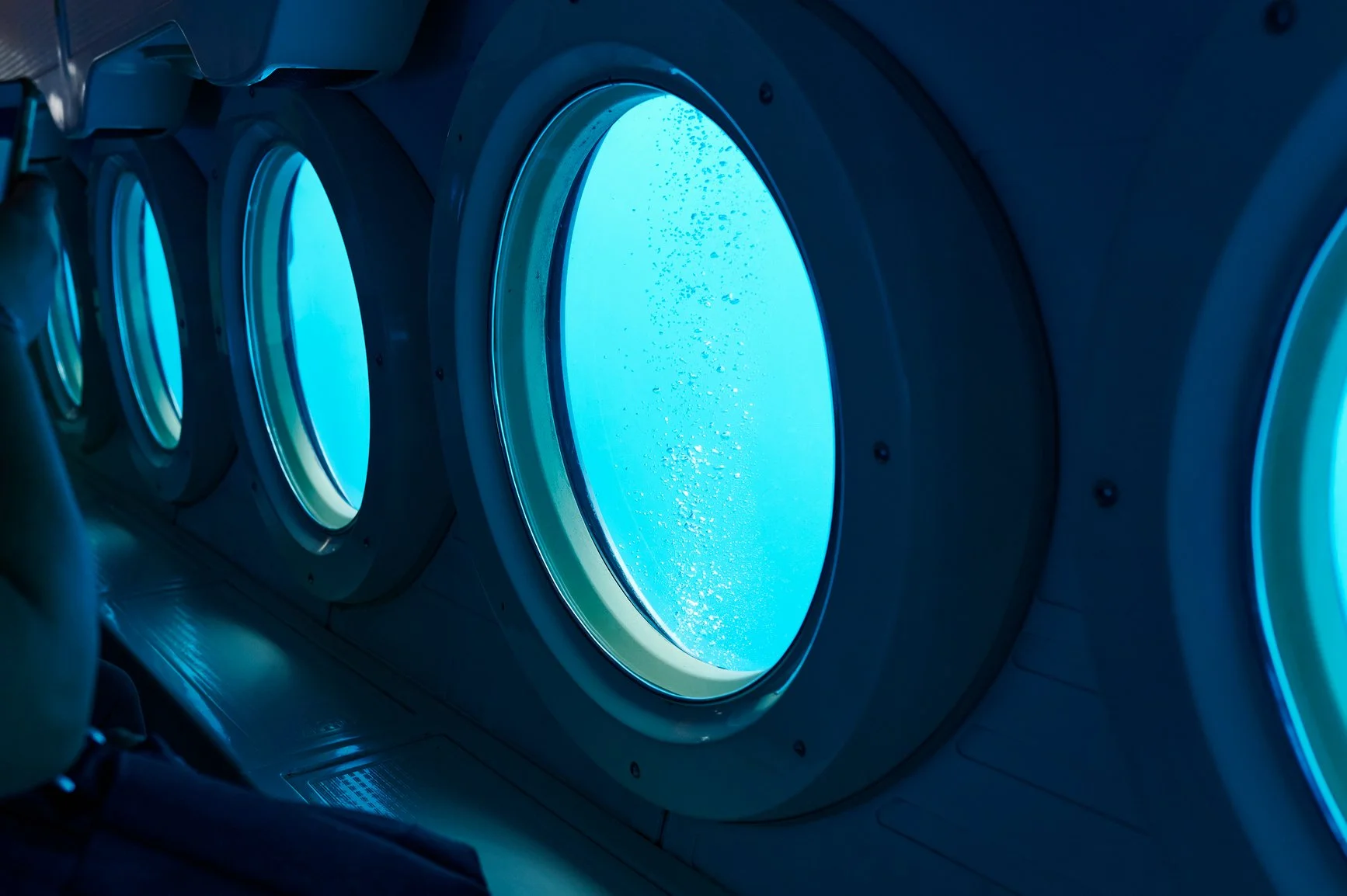
I discovered the world through National Geographic. From the Titanic to Mt. Vesuvius, the mix of breathtaking imagery and commanding narration pulled me into stories I didn't know I needed but quickly couldn't live without.
Before marketers co-opted visual storytelling, National Geographic had already been doing it for decades. And the reason it worked wasn't the footage. It was the point of view. The narration became a guide through intimate, dynamic, often risky journeys that made you feel present in the story, not just watching it.
As a marketer, that's what I try to do. I want to captivate readers and keep them there. When I'm developing stories for clients, I work to create a sense of being there — transporting the audience to a specific moment, whether it's a major awards event or a day of volunteering in the community.
That starts with everyone involved in the process thinking like a storyteller rather than someone completing a task. Instead of working from shot lists, take a step back and think about the creative needed to actually bring the story to life. Picture yourself gathering underwater footage from the Titanic for the first time. What does the audience need to see, feel, and understand to believe in what you're showing them?
This is where teams most often struggle, especially when photography gets treated as a one-off task instead of part of a broader strategy. I was at an event last week that must have been genuinely difficult for the photographer — harsh lighting, tight quarters, cluttered backgrounds. It took intentional angles and precise timing to get anything usable. They pulled it off because they were thinking about the story, not just the shots.
The guiding principle I come back to constantly is simple. If you have to explain it, delete it. I say it on LinkedIn all the time because it applies to almost everything in brand storytelling, but it's especially true for photography. If a viewer has to pause to figure out what they're looking at, you've already lost them. The image needs to do the work on its own.
Whether you're planning a video shoot, building a campaign, or capturing photos at your next event, approach it the way National Geographic approaches the world's most compelling stories. Go for immersion. Make sure every element works together to show people exactly what matters. And trust that when the storytelling is right, you won't need to explain a thing.