
The Story That Changed How I Think About Nonprofit Storytelling
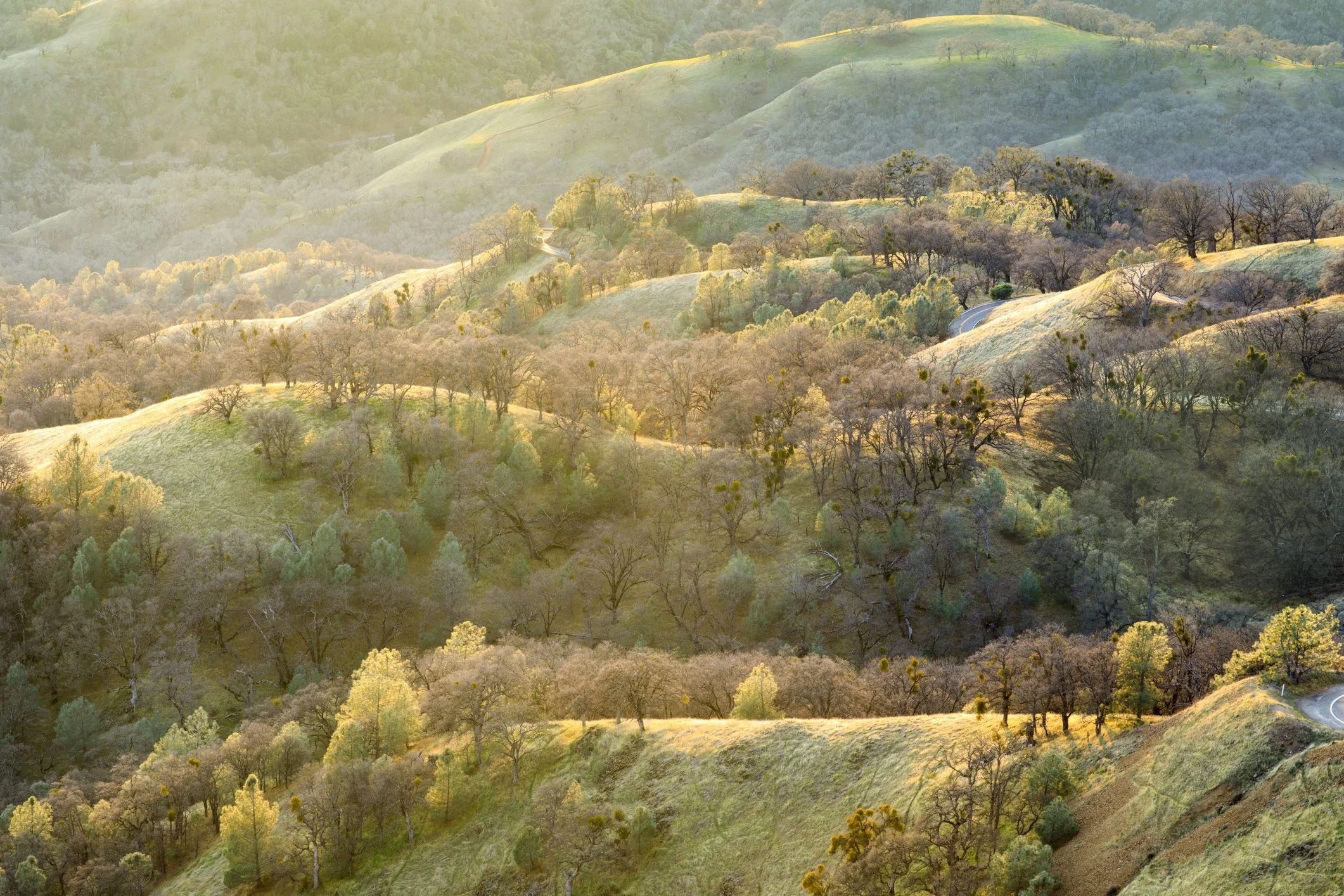
"When you're asking donors to support something big, you have to bring them along. Show them what's at stake. Help them see it."
That's what Lynn Lozier told me the first time we spoke. She's the Monitoring and Oversight Program Director at The Nature Conservancy. I was doing background research for a nonprofit storytelling workshop, and she was generous enough to walk me through some of the organization's past work. I thought I was collecting a quick example or two. I didn't realize that conversation would shape how I think about nonprofit storytelling.
Years earlier I had read Made to Stick, one of the books that shaped how I think about marketing. One example in particular stayed with me. It described a massive land conservation project near Silicon Valley — enormous scale, high stakes, but donors couldn't grasp the urgency. The project was too abstract to feel real.
To fix that, The Nature Conservancy invited donors to fly over the land. They chose a specific moment in the season, right before the leaves came in. From the air, the area looked like an oriental rug. The colors, the texture, the scale clicked into place. What once felt abstract became vivid and unforgettable.
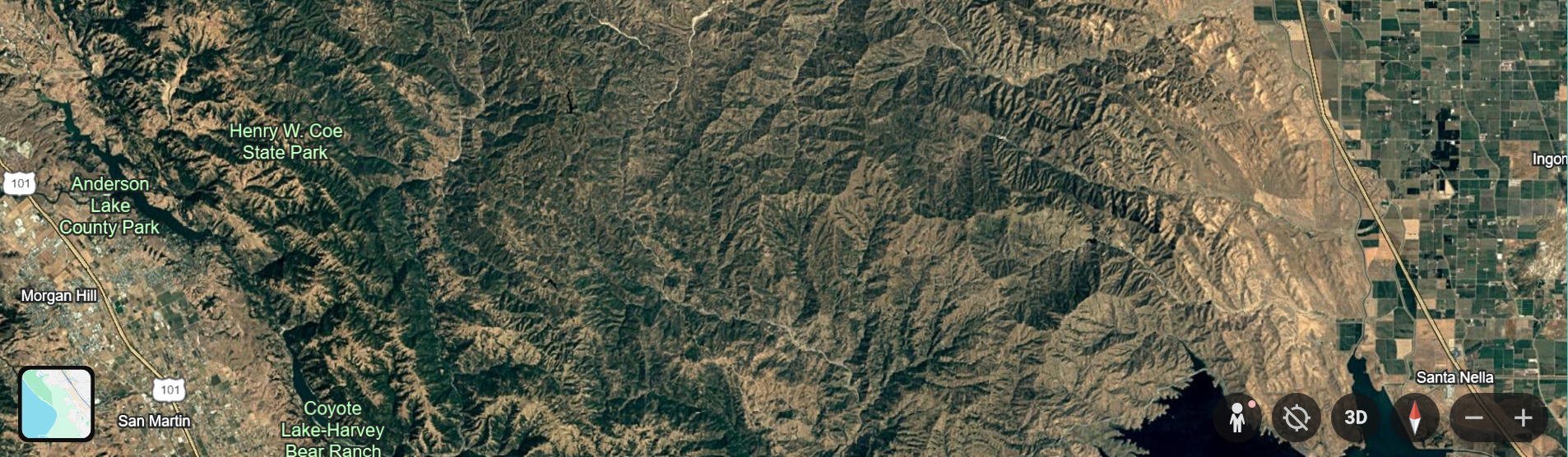
Google Earth aerial view of Mount Hamilton in 1995—the year of the donor flyovers. The area goes from the very end of the Santa Clara Valley all the way to the checkerboard of agriculture in the Central Valley at far right.
As it turns out, Lynn had worked on that very project. When she started describing it, the details came back with perfect clarity. Even after more than thirty years, she recalled it like it had happened last week.
Good storytelling helps people locate themselves inside the mission. It makes something big feel possible and something complex feel human. That's what moves people from passive supporters to committed ones.
You don't need a flyover. But you do need to be intentional about the moment you show, the lens you use, and why the story you're telling matters to the specific people you're trying to reach. Every campaign, every photo, every conversation is a chance to help someone see more clearly — not just what your organization does, but what they're helping make possible.
"In land conservation, it is very much about getting people out on the ground. For Mt. Hamilton, I think the audacity of the scale was hard to grasp," Lynn told me.
What's your version of the flyover? And are you showing it at the right time?
By Shawn Graham