
Brand Storytelling: How to Put Your Audience in the Story
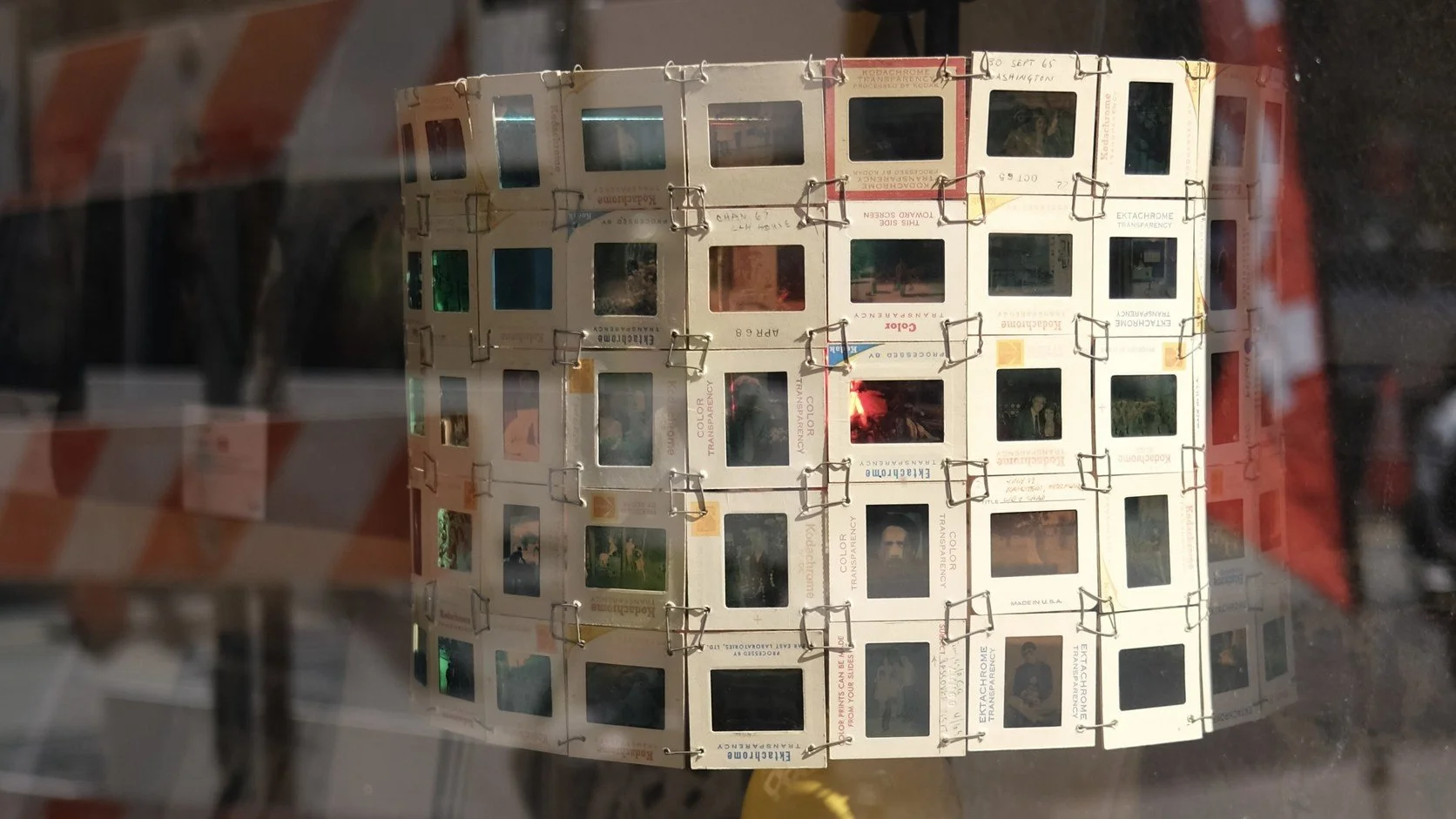
Brand storytelling is the direct link to your audience in every place they meet you, from social posts and your website to every handout, flyer, and billboard. It's also incredibly resource intensive, and many organizations completely miss the mark.
One of the things we've found working with hundreds of organizations over 20+ years is that there's usually a disconnect between the way we tell brand stories face-to-face and the way we write those same stories and share them visually.
But the goal is almost always the same. Like a portrait artist, you're painting a 360-degree portrait of the people, products, or programs at the core of what you do. That requires being in the moment, immersing yourself in the story you’re trying to tell and guiding your audience naturally on a journey rather than getting lost in a rigid, formulaic narrative.
We recently led From Image to Impact, a storytelling and visual storytelling workshop, with photographer John Craig, to show organizations how to capture the essence of their brand.
Even before the growing backlash over "AI slop" there was already so much saturation online and on social. The ability to quickly generate content at scale is unfathomable. How are you going to stand out?
As Harvard Business School professor Jill Avery puts it, "Brands that tell compelling stories have the power to break through clutter and engage their audience."
The organizations that stand out tend to follow the same five-part process.
Tell Your Brand Story the Way You'd Say It
When people tell a story out loud, in their own words, it’s almost always different from when they write about it. Something gets lost in the translation and the result is a story that lacks the same energy, tension, and delivery. Brand photography and videography usually follow the same path, with staged shots that look more like stock photography than anything that represents the uniqueness and personality of their brand.
Before you write another social post or product description, tell it out loud as if you were explaining it to someone for the first time. Record it on your phone if that helps. Then write down what you said, in the order you said it.
Bring Your Audience Along
Most of your audience will never use your product or see your program in person before they decide whether to care. Your words and images have to give them that experience.
That changes where you start the story and where you point the camera. Start from your audience's point of view, whether that's the first time someone opens the box or the first day of a program.
Silky Saws tells the story of its saws through Craig Heinselman, who supervises trail volunteers for the Appalachian Mountain Club across 520 miles of trail from Pennsylvania to Maine. The saws come up the way they would in conversation, in his own words. They "hold up over and over, year after year, even when we're cutting a few hundred trees a season," he says.
Make It Vivid
Heidi Schultz, a professor of business communication at UNC Kenan-Flagler Business School, put it this way. "Stories thrive on vividness. Let your audience see, feel, and hear what you did. If your story doesn't have vividness, your story doesn't grab your audience."
Vivid means giving your audience a sense of being there, in that moment. It usually comes through the senses, through details you'd only know from firsthand experience. That's also something AI can't supply.
Silky's story has a moment like this. Heinselman describes what it's like when a volunteer gets a saw of their own. "When they hold their own saw, they feel part of it. It's a Zen thing to cut a tree. Saw therapy. The scent, the smell, the sound."
If You Have to Explain It, Delete It
Photographer Annie O'Neill's rule applies to every image and every line of copy. A photo that needs a caption to explain why it's there is usually the wrong photo. The same goes for a headline that needs a subhead to make sense, or a paragraph that doesn’t add value and advance the story.
Each image should carry its own context, so it's immediately obvious what you're looking at and why you should pay attention.
Tell the Same Story Everywhere
Major donors at the SAE Foundation had started asking whether the students pictured in its materials were real. We rebuilt the annual report around actual students doing the work, then turned that approach into a brand guide covering photography, video, messaging, and social. Social engagement increased 65%, and first-time donors increased 36%. Read the SAE Foundation case study.
It helps to plan ahead. Pick a theme for the year and set regular check-ins with leadership and whoever writes your copy, so stories get captured as they happen and not weeks later.
What’s one detail about your organization that no one else in your space could claim?
Brand Storytelling FAQs
-
Brand storytelling is how an organization describes the people, products, or programs at the center of what it does, in words and images, so its audience understands why they matter. The same story should carry across your website, social posts, emails, and print.
-
A vivid story lets your audience experience what you're describing for themselves. It usually comes through the senses, with details you'd only know from firsthand experience and images that make sense without explanation.
-
Build your stories from details only your organization has. AI can produce content quickly, but it can't supply firsthand details from the people who make, use, or rely on what you offer. Stories built on those details are harder to ignore.
Shawn Graham is the founder of Deep Varnish, a Pittsburgh-based brand strategy, marketing, and creative direction consultancy.
Want a second set of eyes on your story? Deep Varnish offers storytelling audits.